Why Do Potholes Form in Driveways?
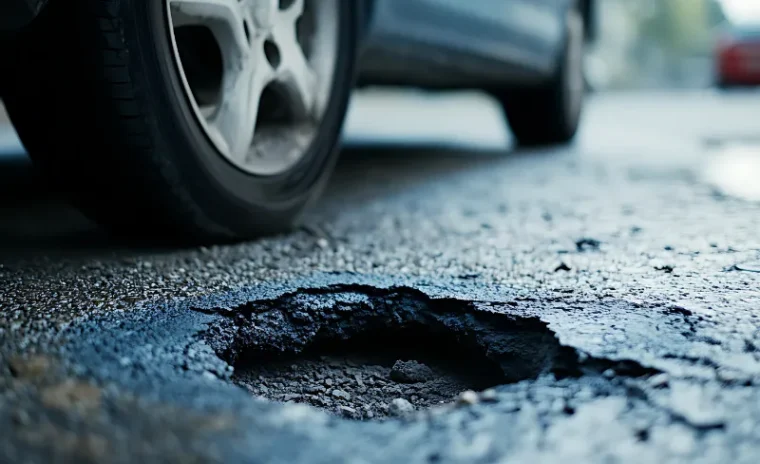
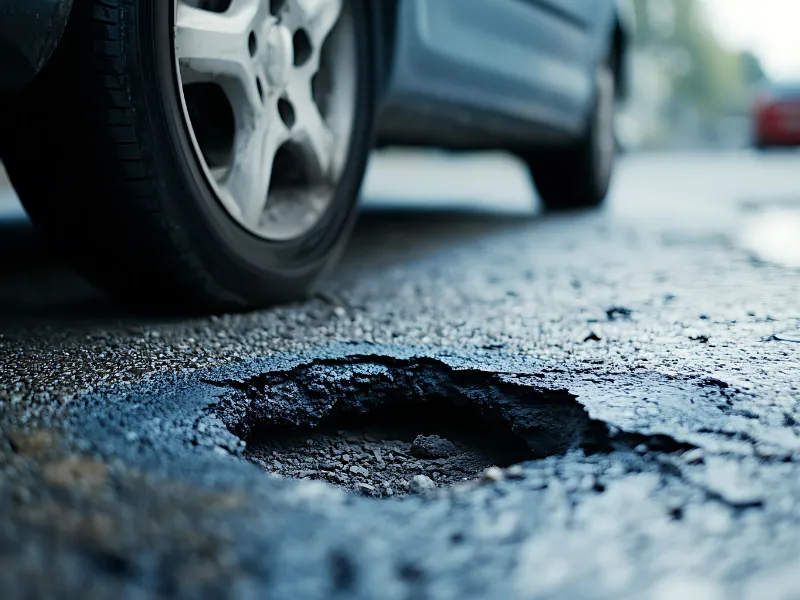
Potholes form when water seeps into tiny cracks in your driveway. As temperatures change, the water expands and contracts, weakening the surface. Add the pressure of vehicles, and the cracks grow until chunks of asphalt or gravel loosen, leaving behind a pothole.
Common causes include:
- Freeze-thaw cycles: Water freezes, expands, and breaks apart the driveway.
- Poor drainage: Standing water seeps into weak spots.
- Heavy traffic: Frequent pressure from vehicles accelerates wear.
- Old driveways: Over time, materials break down, making surfaces more prone to damage.
Fixing potholes quickly prevents them from spreading and helps extend the life of your driveway.
Tools and Materials You’ll Need for Driveway Pothole Repair
Before you start, gather the right supplies. You don’t need heavy paving equipment, but a few basic tools will make the process smoother.
For Asphalt Driveways:
- Asphalt patch mix (cold patch is good for homeowners)
- Shovel or trowel
- Stiff broom
- Tamper or heavy flat tool for compacting
- Gloves and safety glasses
For Gravel Driveways:
- Fresh gravel (same size and type as your driveway)
- Shovel and rake
- Wheelbarrow (optional)
- Plate compactor or hand tamper
Step-by-Step Guide: Asphalt Driveway Pothole Repair
If your driveway is paved, follow these steps to patch potholes and restore a smooth surface.
Step 1: Clean Out the Pothole
Remove loose debris, broken asphalt, dirt, and standing water. Use a broom, shovel, or even a shop vacuum. A clean base ensures your patch sticks.
Step 2: Shape and Deepen the Edges
For strong results, square off the pothole edges using a hammer and chisel. This creates a tighter border that holds the patch material in place.
Step 3: Add Asphalt Patch Mix
Pour cold asphalt patch mix into the hole until it is slightly overfilled. Spread evenly with a shovel or trowel.
Step 4: Compact the Material
Compact the patch using a hand tamper, board, or roller. Proper compaction is the best way to repair potholes in driveway surfaces because it keeps the material from sinking or crumbling.
Step 5: Seal the Repair (Optional)
After the patch sets, consider applying a sealcoat to protect against water, oil, and sun damage. This step helps extend the life of your asphalt driveway.
Step-by-Step Guide: Gravel Driveway Pothole Repair
Gravel driveways are easier to maintain, but potholes can form quickly if not fixed. Here’s how to repair them:
Step 1: Remove Loose Material
Clear the pothole of stones, mud, or debris. If water has collected, drain it out.
Step 2: Dig and Level the Hole
Shovel out soft material from the bottom until you reach a firm base. Smooth the area with a rake.
Step 3: Add Fresh Gravel
Fill the hole with new gravel, layering in stages. Use the same size and type of gravel as your existing driveway for a consistent look.
Step 4: Compact the Gravel
Compact each layer with a tamper or plate compactor. This keeps the repair from washing out.
Step 5: Maintain Regularly
Over time, traffic may loosen gravel again. Keep extra gravel on hand for quick fixes.
Best Practices: How to Make Your Repair Last
DIY pothole fixes can be effective, but following these tips will help your repair stand longer:
- Choose the right patch mix: Cold patch is simple for homeowners, but hot mix (installed by paving contractors) lasts longer.
- Compact thoroughly: Skipping this step causes sinking or crumbling.
- Repair before winter: Cold and moisture make potholes worse.
- Sealcoat asphalt every few years: Prevent cracks before they turn into potholes.
- Improve drainage: Redirect water to avoid pooling on your driveway.
When to Call a Professional for Driveway Pothole Repair
While small potholes are manageable for most homeowners, some cases need professional help:
- Potholes keep returning in the same spot
- Your driveway is covered in cracks and potholes
- Water drainage issues are obvious
- The damage is larger than 2 to 3 feet wide
In these cases, patching alone will not solve the problem. A paving company can resurface or repave the driveway for a long-term solution.
Conclusion
Learning how to repair potholes in driveway surfaces, whether asphalt or gravel, gives homeowners control over quick, affordable fixes. With the right tools, you can patch small holes, restore curb appeal, and prevent bigger repairs. Still, DIY methods are for minor damage. For lasting results, especially with larger potholes, driveway pothole repair from a professional is the smarter choice.
How Black Top Services Can Help
If potholes are becoming a headache, Black Top Services VA is here to help. As third-generation asphalt paving contractors in Fredericksburg, VA, they bring decades of experience and hands-on service. Unlike large companies, you will work directly with the owners from the first estimate to the final compaction. Whether you need asphalt driveway pothole repair, resurfacing, or full paving services, their Class A contractor license means no job is too big. They take pride in their community roots, their craftsmanship, and their promise to treat every driveway as if it were their own.